
Born at a Kitchen Table. Built in Texas.
Born at a Kitchen Table. Built in Texas.
Add description, images, menus and links to your mega menu
A column with no settings can be used as a spacer
Link to your collections, sales and even external links
Add up to five columns
Add description, images, menus and links to your mega menu
A column with no settings can be used as a spacer
Link to your collections, sales and even external links
Add up to five columns
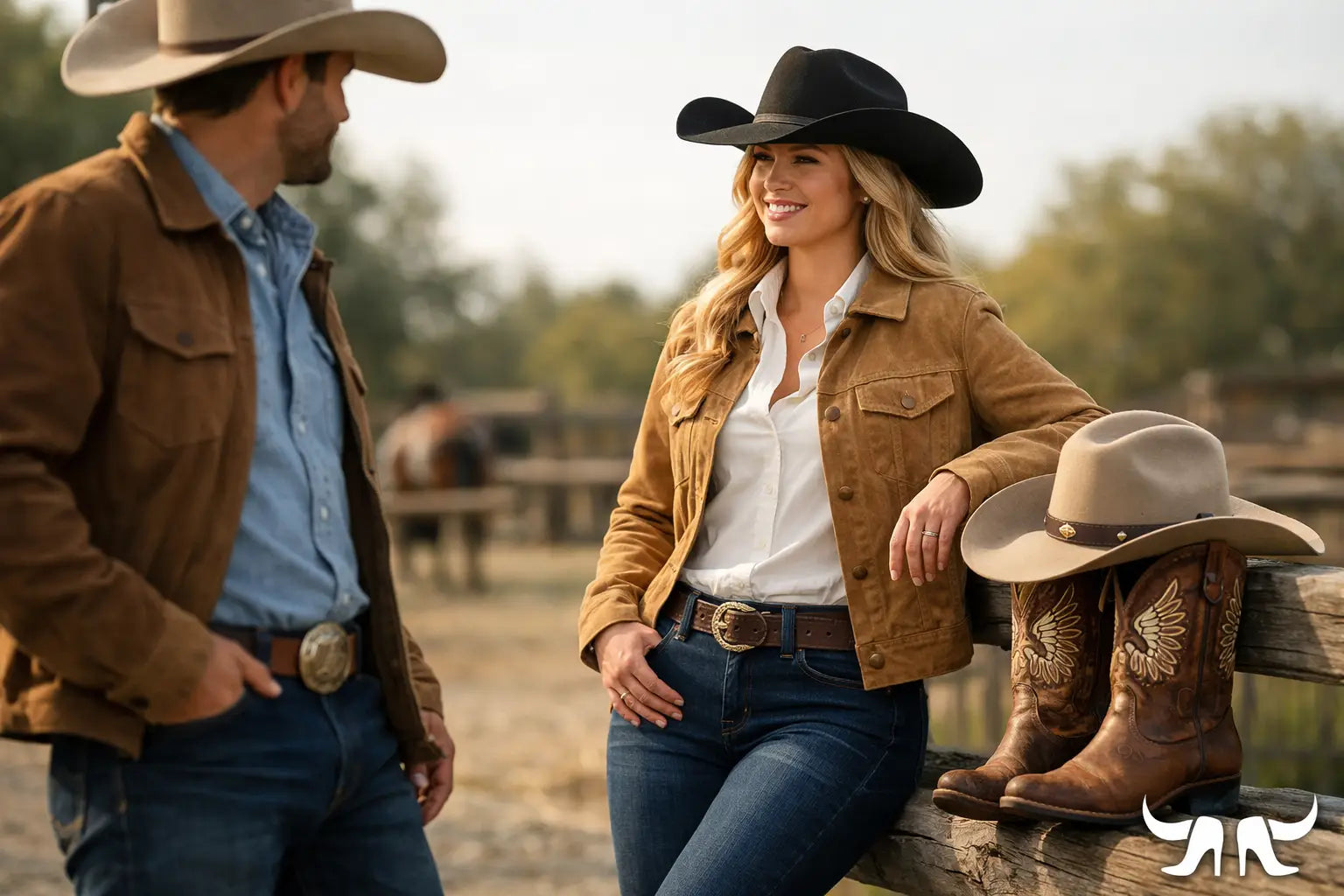

How to Style Western Workwear Right
May 15, 2026 6 min read
You can spot the difference from across a parking lot. Real western workwear looks lived in, built for movement, and worn with purpose. If you are figuring out how to style western workwear, the first rule is simple: quit treating it like a costume. Good western gear should look like it belongs on a ranch road, in the arena alley, at the feed store, and at supper afterward.
That matters because western workwear is not about stacking trendy pieces until you look "country enough." It is about wearing durable clothes that make sense for your day and still carry the grit, pride, and backbone of the lifestyle. The best outfits do both. They work hard, and they read honest.
How to style western workwear without looking forced
The easiest way to get this right is to build from function first. Start with what the day asks of you, then shape the look from there. If you are feeding, hauling, fencing, driving, welding, or putting in hours on your feet, your clothes need to move, breathe, layer well, and hold up. Style comes from that foundation, not from overthinking it.
A solid western workwear outfit usually starts with a dependable shirt or heavyweight tee, a pair of jeans with a clean but tough fit, and boots that have earned their place. From there, outerwear and accessories should support the job, not compete with it. A canvas jacket, work vest, snap shirt, or structured hoodie can all fit the look, but only if the pieces make sense together.
Fit is where plenty of people miss. Baggy clothes can look sloppy and get in the way. Too tight, and you lose the workwear part altogether. Western workwear should fit clean through the shoulder, chest, and leg without binding. You want room to move, bend, reach, and climb. That kind of fit looks better anyway because it carries confidence instead of trying too hard.
Start with the core pieces
Every strong western workwear outfit has a backbone. For most folks, that means denim, boots, and a shirt that can take a beating.
Jeans should be durable and straightforward. A darker wash reads a little sharper and transitions easier from work to town, while a medium wash often feels more broken-in and everyday. The trade-off is simple. Dark denim hides less dust but cleans up better. Lighter denim shows wear in a way some people like, but it can also drift casual fast. Bootcut and straight-leg fits usually make the most sense because they sit right over western boots without bunching up.
Shirts set the tone. A pearl snap brings more traditional western character, especially in denim, chambray, plaid, or brushed cotton. A plain work shirt feels tougher and more stripped down. A heavyweight T-shirt under a jacket or vest keeps things practical when the weather turns. If you want a cleaner look, go with solid colors and simple patterns. If your gear already has some wear and grit to it, that restraint goes a long way.
Boots should match your life, not somebody else's social feed. If you work in them, let them look worked in. If you need a pair that can handle long days and still look respectable in town, choose a boot with a simple profile and durable leather. The cleaner and flashier the boot, the more careful you need to be with the rest of the outfit. Too many polished details at once can push the whole thing toward dress-up.
Layering western workwear the right way
Layering is where western workwear gets real character. It is also where bad styling shows up fast. If every layer is loud, the outfit starts looking staged.
A better approach is to keep one piece doing the talking. That could be a sharp snap shirt, a weathered canvas jacket, or a sturdy vest. Let the rest support it. A thermal under a work shirt, a hoodie under a jacket, or a vest over a long-sleeve shirt all work well when the colors stay grounded - think brown, tan, black, denim blue, olive, rust, cream, and faded red.
Texture matters as much as color. Denim with canvas, cotton with leather, fleece with duck cloth - those combinations give western workwear its edge. They look honest because they are honest. Slick fabrics and overly technical finishes can be useful in certain weather, but if everything looks too modern and shiny, the western part gets lost.
For colder months, outerwear should feel tough, not bulky for the sake of bulk. A lined vest is good when you need your arms free. A canvas chore coat or insulated jacket carries more structure and looks right over denim and boots. If you are going from early chores to town, that kind of layer keeps the outfit grounded and useful.
How to style western workwear for different settings
The right outfit depends on where you are headed. Ranch, rodeo, jobsite, and town all have a different rhythm, even if the same values carry through.
Ranch and daily work
Keep it stripped down. A durable tee or work shirt, dependable jeans, broken-in boots, and outerwear that can handle dust, wire, weather, and repetition. This is not the place for anything precious. Clothes should earn their wear.
Rodeo and arena days
You can sharpen things up here without losing the workwear backbone. A good snap shirt, clean denim, a tough jacket if needed, and boots that still look like they belong around livestock make sense. This is where a hat really finishes the outfit, especially if the rest is simple and well-fitted.
Jobsite and trade work
Practicality leads. If safety requirements shape your gear, work inside those lines. Western workwear still comes through in the cut of the jeans, the boot choice, the jacket, and the attitude of the whole fit. You do not need fringe or flashy stitching to make it western.
Town and everyday wear
This is where you can clean it up a notch. Swap the beat-up layer for a sharper jacket or vest, choose darker denim, and wear a shirt with more structure. The trick is to keep at least one part of the outfit grounded in real workwear. If everything is too polished, it stops feeling authentic.
The details that make or break the look
Accessories in western workwear should feel earned. A hat, belt, watch, or simple chain can add character, but too many extras at once start crowding the outfit.
A good hat carries weight, but only if you wear it like it belongs to you. The same goes for a belt with a solid buckle. If the buckle is the first thing people notice, you may be pushing too hard. Let those pieces support the look instead of turning into the whole point.
Color also deserves some discipline. Earth tones, denim, black, off-white, and weathered shades usually look strongest. Bright colors have their place, especially in graphic tees or certain shirts, but they work best when the rest of the outfit stays steady. Western workwear does not need much shine to make a statement.
One place Horns & Heels Rodeo Company gets it right is understanding that western apparel should feel tied to real life, not borrowed identity. That is the line worth holding when you get dressed.
Common mistakes when styling western workwear
The biggest mistake is overdoing it. Too many western signals at once - loud shirt, loud buckle, loud boots, loud hat - can make a solid outfit fall apart. Pick one or two points of character and let the rest stay practical.
Another mistake is buying gear for appearance instead of use. Stiff, untouched boots and spotless jackets can look fine at first, but western workwear gets better with wear. Scuffs, fades, creases, and grain are part of the look. That does not mean sloppy. It means honest.
There is also the issue of mismatch. Dressy boots with heavy utility layers can work, but not always. A crisp snap shirt under a stained-out work coat can look off unless the whole outfit has some balance. Styling western workwear is often about keeping the pieces on the same level. Rugged with rugged, clean with clean, broken-in with broken-in.
What authentic western workwear really looks like
The best western workwear does not announce itself too loudly. It shows up in the right denim, the right layers, and the right wear marks. It looks like somebody who knows how to handle a gate, back a trailer, put in hours, and still walk into town without changing their whole identity.
That is why learning how to style western workwear is less about chasing a formula and more about trusting function, fit, and restraint. Wear pieces that can carry the day. Choose quality over flash. Let the lifestyle do the talking.
If your outfit looks ready for work first and good second, you are probably doing it right.
Subscribe
Sign up to get the latest on sales, new releases and more …